@ nikku14
Macro Nature Scene wildlife 🐯 #86648
Owned by PixelGalaxyArt
Description
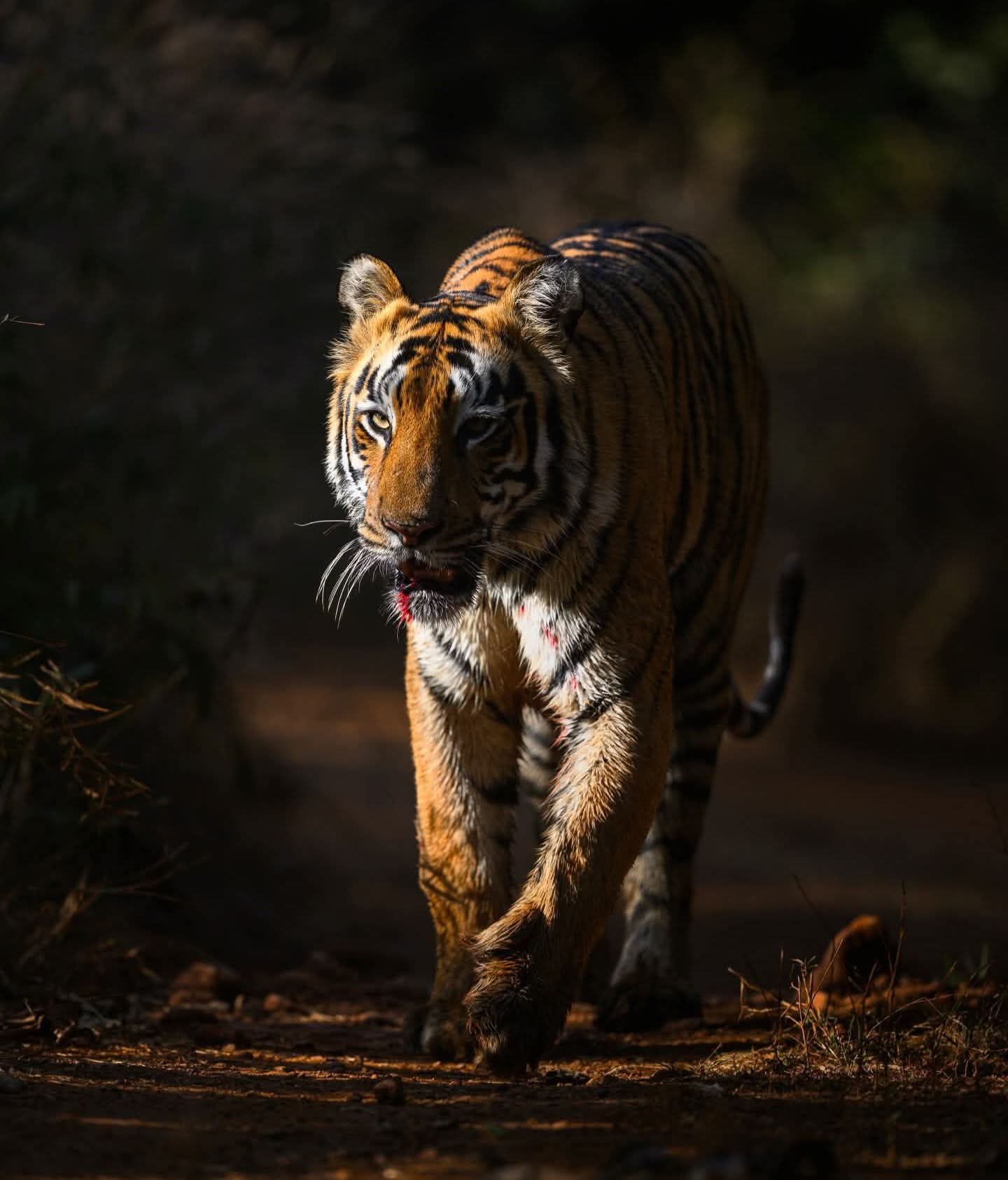
Dramatic wildlife images are not made in editing. They are built with simple decisions in the field.
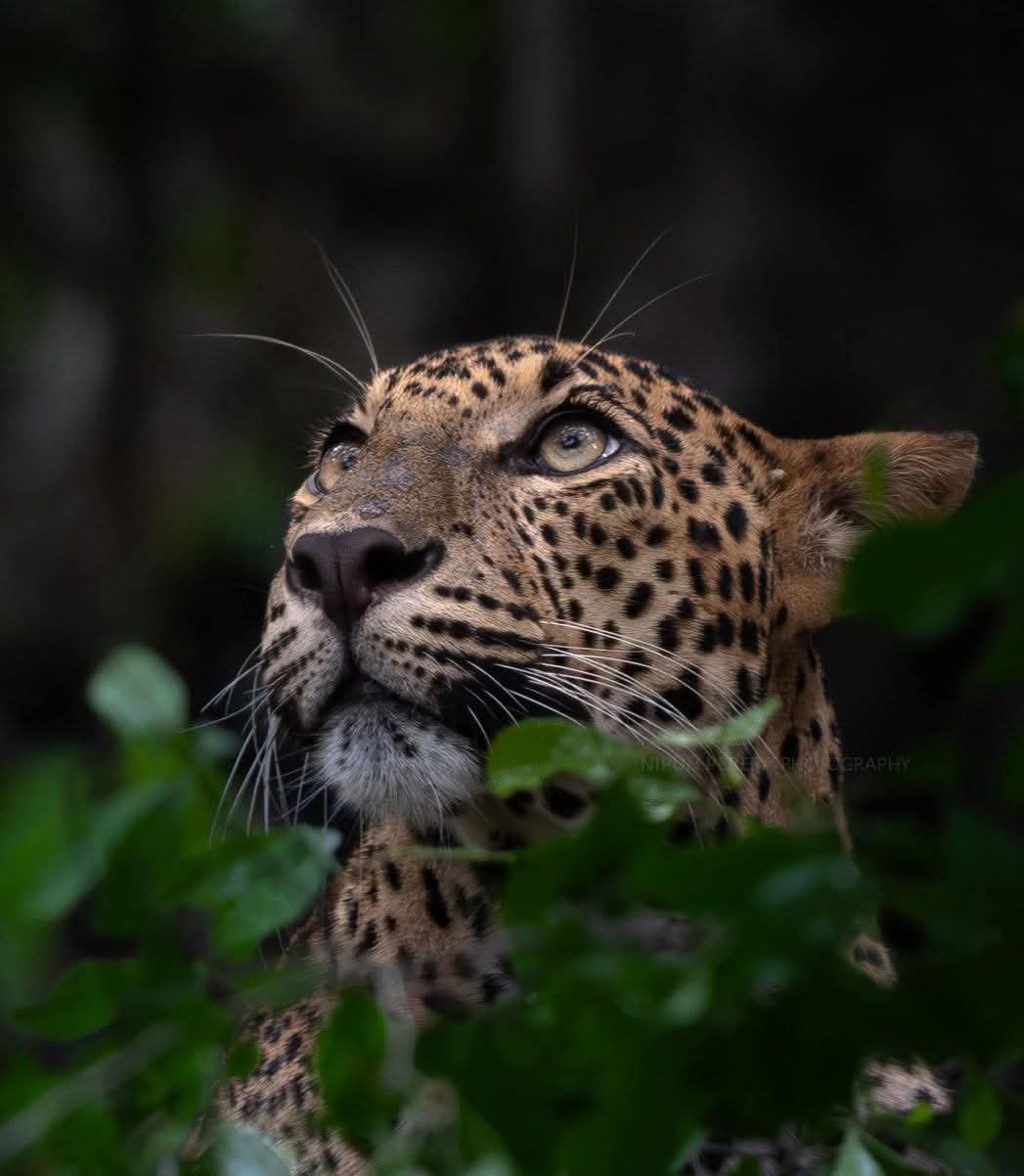
This kind of dramatic light comes from controlling three simple things: where the light falls, what the background does, and how the camera exposes the scene.
1. Use side light, not front light
Early morning or late evening light coming from the side creates shadows on the face and body. Shadows add depth and mood. Front light removes shadows and makes images look flat.
2. Let the background go dark
Wait for the animal to move into a patch where the forest behind is in shade. A darker background automatically makes the subject stand out without any editing.
3. Get to eye level
Shooting low drops the background lower in the frame and increases separation. It also makes the animal look stronger and more dominant.
4. Tell the camera to keep it dark
In strong light, the camera tries to brighten everything. Use negative exposure compensation to protect highlights on the face and stripes. Slight underexposure keeps contrast and drama.
5. Freeze motion, blur the rest
A fast shutter speed keeps the eyes and face sharp while the background stays soft. A wide aperture helps isolate the subject and adds depth.
6. Trust the shadows
Don’t try to brighten every dark area. Shadows are what create the cinematic feel. If everything is visible, the image loses impact.
7. Wait for the walk
A lifted paw and calm stride add rhythm and intent. Timing matters more than shooting early.
This is how strong wildlife photography is created — patiently, deliberately, and in camera.
This is exactly how we teach in the field at Ecotrailz™ — helping photographers understand light, behaviour, and exposure so they come back with images that feel real, not over-processed.
#ratishnairphotography #safariwithecotrail #wildlifephotography #naturecloseup #wildlife #insectworld #olympusphotography #insects #macrofriendly #insects_of_our_world #EM1X #bugs


 Copy Link